
Materials Guide
The short answer
If you’re choosing between engineered and site-finished hardwood, site-finished is the better long-term investment. It costs more upfront, but it can be repaired and refinished for decades. Engineered floors are cheaper, but once that production run ends, a damaged section is often impossible to match, which can mean replacing the whole floor. If site-finished stretches the budget too far, luxury vinyl plank or tile is a smart, repairable alternative.
You already know you want hardwood. It’s beautiful, hygienic, and built to last. Easy decision, right? Almost. After remodeling homes across Dallas–Fort Worth for years, we’ve learned the choice that actually matters happens one level deeper.
Engineered vs. site-finished, at a glance
The two types you’ll compare when planning your remodel.
| Engineered | Site-Finished | |
|---|---|---|
| How it’s made | Preformed, pre-finished planks glued down | Raw wood installed, then sanded and finished on site |
| The look | Beveled edges, visible seams between planks | Seamless, smooth edges with natural grain variation |
| Upfront cost | Lower | Higher |
| If it’s damaged | Hard to match once the run ends, often means replacing the whole floor | Repair just the damaged section, refinish as needed |
| Long-term | Higher risk, limited repairability | Refinishable for decades |
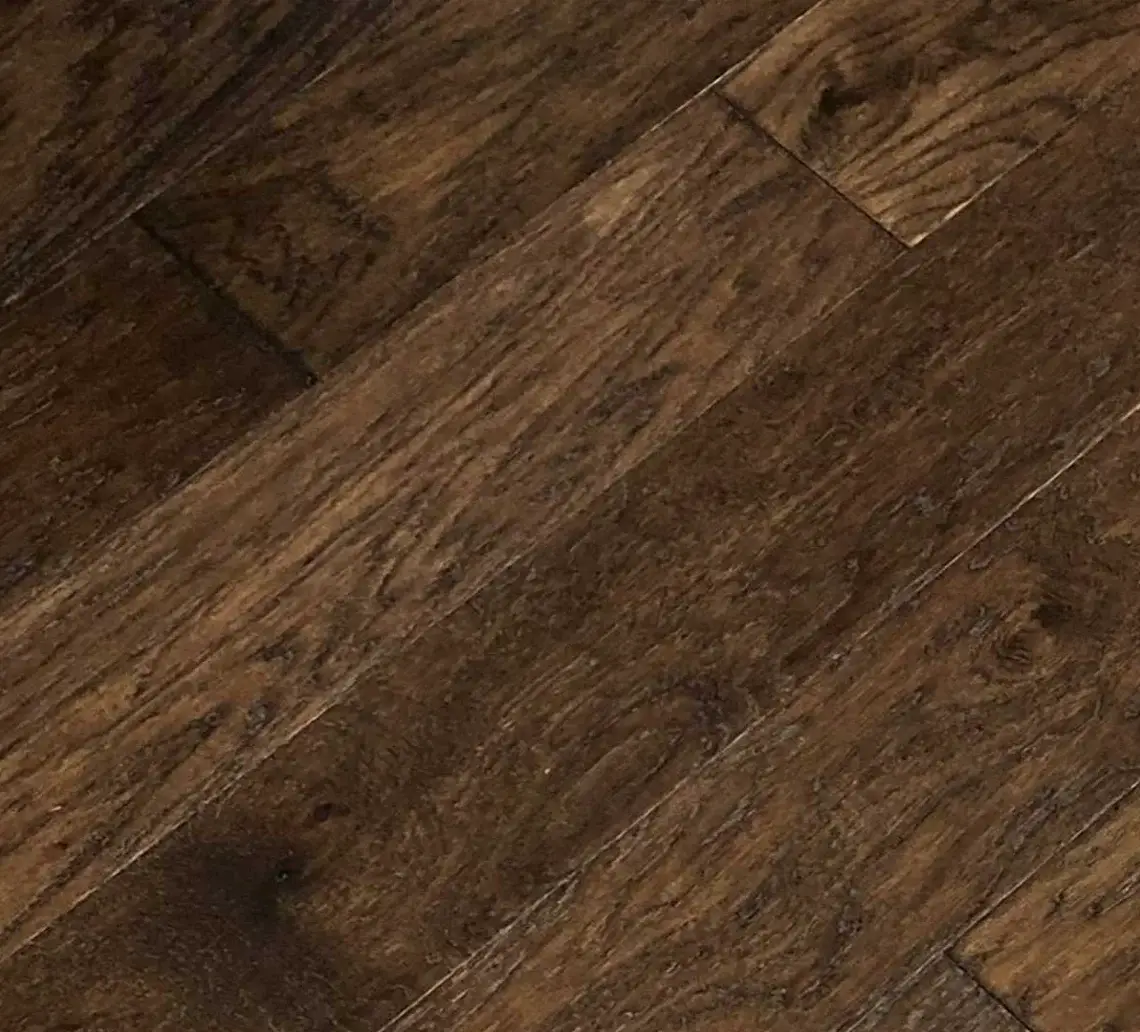
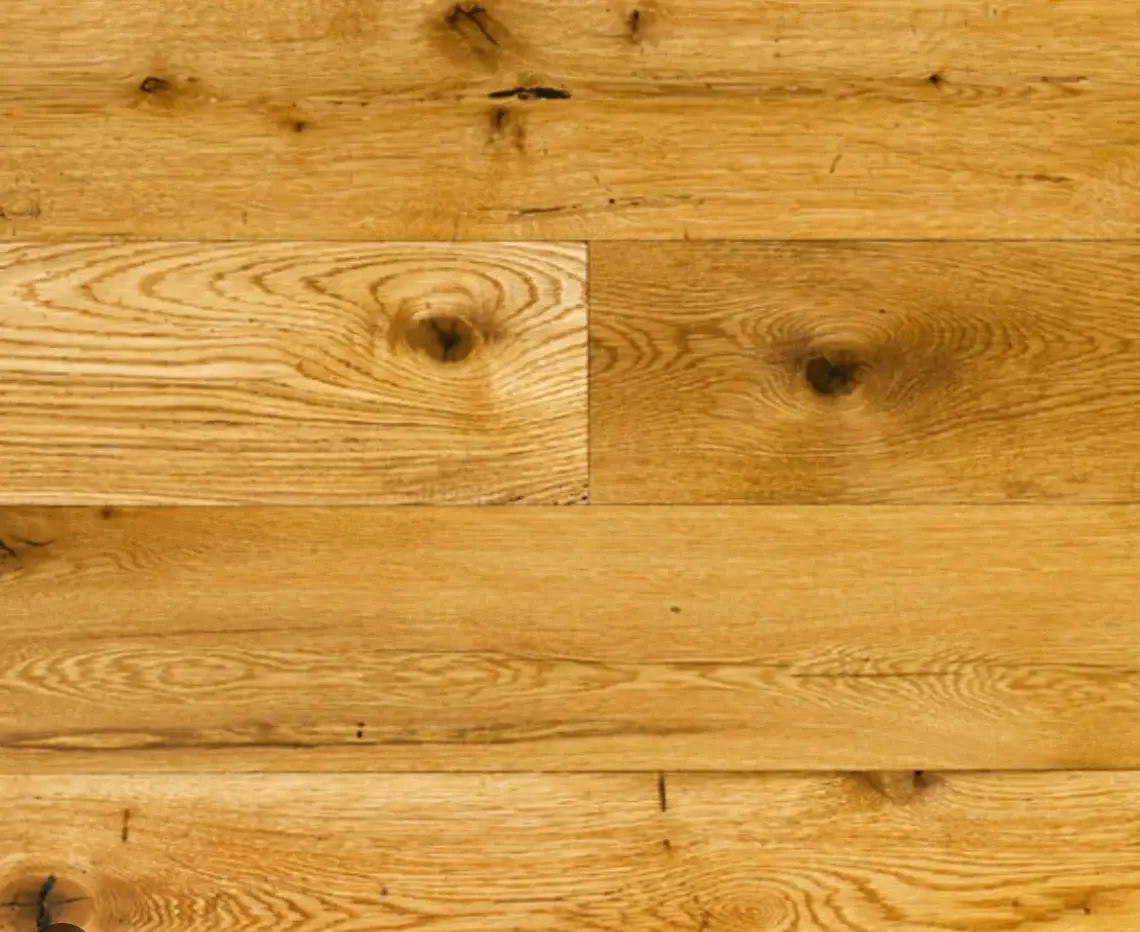
The catch with engineered
Why cheaper can cost more later
Manufacturers only produce so much of each engineered style before stopping. A few years on, that exact run can be nearly impossible to find. So when a floor gets damaged, from water, scratches, or a worn finish, or your footprint changes in a remodel, repair becomes a real problem. The two usual workarounds both fall short:
Order extra and store it. Fine until the damage exceeds your stash, then you’re replacing everything anyway.
Stain markers. A cosmetic patch, not a real repair.
The verdict
Site-finished floors are your best choice
With site-finished wood you pay more upfront and take on far less long-term risk. When something goes wrong, you fix the damaged section, not the whole floor.
We’ve seen too many homeowners stuck with damaged floors they can’t afford to replace a second time. It’s heartbreaking, and it’s avoidable.
On a tight budget? If site-finished hardwood is out of reach, we recommend luxury vinyl plank or tile. Both are durable, repairable, and won’t leave you in a bind later. And full disclosure: we’re not sponsored or affiliated with any flooring company. This is just what years in the field have taught us.
Flooring is one of the first decisions in any remodel, and it touches every room. Whether you’re planning a kitchen or bathroom remodel, getting it right the first time is what saves you the heartbreak later.
Live within 30 miles of Denton, TX?
Let’s get your floors right the first time
Get your free consultationOr call us at 940-373-7763